

Why You Need to Clean Your Hot Water Tank Yearly
Clean Your Hot Water Tank Yearly
If this is your first time hearing this, you’re not alone. Most homeowners never think about their hot water tank until the shower turns cold, the water smells funny, or the basement floor is suddenly wet. That’s usually when the bill gets expensive.
A hot water tank is one of those workhorse appliances in your home. It runs quietly every day, takes abuse from Denver’s mineral-heavy water, and almost never gets thanked. But just like your truck needs oil changes, your water heater needs yearly maintenance. Skip it long enough, and it will let you know—usually at the worst possible time.
At D&R Innovations, we see the aftermath all the time. Flooded basements. Failed heating elements. Tanks that should’ve lasted 12–15 years dying at year 7. In almost every case, the same culprit shows up at the bottom of the tank: sediment.
This article breaks down exactly why annual hot water tank cleaning matters, what happens when you skip it, and what homeowners in the Denver metro area should realistically be doing to protect their investment.
What “Cleaning” a Hot Water Tank Actually Means
Let’s clear something up right away. Cleaning a hot water tank does not mean scrubbing the inside like a bathtub. What it really means is flushing out sediment buildup that settles at the bottom of the tank over time.
Denver water contains minerals like calcium and magnesium. When water heats up, those minerals fall out of suspension and settle at the bottom of the tank. Year after year, that layer gets thicker.
A proper annual cleaning typically includes:
-
Shutting off power or gas safely
-
Turning off the water supply
-
Draining several gallons (or the full tank when needed)
-
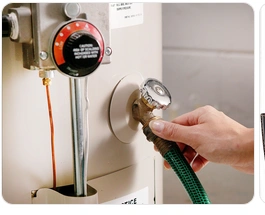
Flushing sediment through the drain valve
-
Inspecting the drain valve and connections
-
Checking basic operation before restarting
It’s simple in concept, but doing it wrong can crack fittings, break old valves, or stir up more problems than you started with.
What Happens When You Don’t Clean It
Here’s the honest version—no fluff.
1. Sediment Kills Efficiency
That layer of mineral buildup acts like insulation. Your heating element or burner has to work harder and longer to heat the water. That means:
-
Higher gas or electric bills
-
Longer recovery times
-
Lukewarm showers when demand is high
2. Sediment Damages the Tank
Sediment traps heat at the bottom of the tank. Over time, this overheats the metal, weakening it from the inside out. That’s how you end up with:
-
Warped tank bottoms
-
Failed welds
-
Sudden leaks with no warning
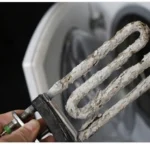
Once the tank itself is compromised, replacement is the only option.
3. You Get Noisy, Angry Plumbing
Ever hear popping, rumbling, or banging sounds from your water heater? That’s water bubbling through sediment. It’s not “normal aging.” It’s a warning sign.
4. Components Wear Out Faster
Sediment shortens the life of:
-
Heating elements
-
Gas burners
-
Thermostats
-
Drain valves
Replacing parts costs money. Replacing the whole tank costs a lot more.
How Often Should You Clean a Hot Water Tank?
For most homes in the Denver area:
-
Once per year is the standard
-
Homes with hard water or older plumbing may benefit from every 6–9 months
-
Rental properties should never skip yearly service
If your tank is over 5 years old and has never been flushed, that’s a red flag—but it doesn’t mean it’s too late.
Tank vs. Tankless: This Still Matters
Homeowners sometimes assume tankless water heaters don’t need maintenance. That’s not true.
-
Tank-style heaters need sediment flushing
-
Tankless systems need descaling
Different process, same goal: preventing mineral damage and efficiency loss.
Ignoring maintenance on either one shortens its lifespan.
DIY vs. Professional Cleaning: Be Honest About the Risk
You can flush a tank yourself. Plenty of online videos make it look easy. Sometimes it is. Sometimes it isn’t.
Common DIY mistakes we see:
-
Old drain valves snapping off
-
Valves that won’t close after flushing
-
Sediment clogging the drain line
-
Heating elements turned on while the tank is empty
That last one can destroy an electric water heater instantly.
If your tank is older, the valve hasn’t been touched in years, or you’re not 100% sure about the shutdown process, professional service is usually cheaper than fixing a mistake.
Signs Your Tank Is Overdue for Cleaning
If you notice any of these, it’s time:
-
Water takes longer to heat
-
Hot water runs out faster than it used to
-
Popping or rumbling noises
-
Rusty or cloudy hot water
-
Higher energy bills with no explanation
These don’t fix themselves.
How Annual Cleaning Saves You Money (Realistically)
Let’s keep this grounded.
A basic maintenance flush costs far less than:
-
Replacing heating elements
-
Emergency leak cleanup
-
Flooring and drywall repairs
-
Full tank replacement
In our experience, regular maintenance can add 3–5 extra years to a water heater’s life. That’s real money staying in your pocket.
Why D&R Innovations Recommends Yearly Service
We’re fourth-generation contractors. We don’t sell magic tricks or maintenance plans you don’t need. We’ve just seen what happens when homeowners skip the boring stuff.
Hot water tanks fail quietly—until they don’t. Yearly cleaning is one of the simplest ways to avoid an avoidable problem.
If you own a home, rental property, or manage multiple units in the Denver metro area, this is one of those “ounce of prevention” tasks that actually delivers.
Frequently Asked Questions (FAQs)
1. How long does it take to clean a hot water tank?
Typically 45 minutes to an hour, depending on tank size and sediment buildup.
2. Is flushing a water heater really necessary every year?
Yes. Especially in areas with mineral-heavy water like Denver. Skipping it leads to efficiency loss and early failure.
3. Can flushing damage an old water heater?
If done incorrectly, yes. That’s why older tanks should be evaluated before flushing.
4. Will flushing fix rusty water?
Sometimes. If rust persists, it may indicate internal tank corrosion or a failing anode rod.
5. Does this apply to gas and electric heaters?
Yes. Both types collect sediment and benefit from regular flushing.
6. What happens if the drain valve leaks after flushing?
That usually means the valve was already worn out. It can often be replaced, but sometimes it reveals deeper tank issues.
7. How do I know if my tank has never been flushed?
Heavy noise, poor performance, and fast hot water loss are common indicators.
8. Should I flush a tankless water heater?
Tankless systems don’t get flushed the same way but do require descaling on a regular schedule.
9. Can sediment cause a water heater to leak?
Yes. Overheating from sediment buildup weakens the tank bottom and can lead to sudden failure.
10. Is annual cleaning required for home insurance?
Not usually required, but lack of maintenance can complicate claims after water damage.
Final Word from D&R Innovations
Hot water tanks don’t ask for much. Clean them once a year, and they’ll usually return the favor with years of reliable service. Ignore them, and they’ll fail on a holiday weekend when every plumber in town is booked solid.
If you’d rather not learn this lesson the hard way, routine maintenance is the smart move.
D&R Innovations
Fourth-generation contractor
Serving Denver and the entire metro area
Practical fixes. No nonsense.
What’s New on The Blog
How to Fall-Proof Your Home
welcomeFall Proof Serving the Denver area Since 2014720 789 1958Email UsHow to Fall-Proof Your HomeHow to Fall-Proof Your Home: Insights from D&R Innovations Hey there! You know, fall-proofing your home is not just about safety; it's about creating a comfortable...
Signs It’s Time for Water Heater Replacement
Time for Water Heater ReplacementLatest News & Resources When you need a roof contractor you can rely on the team of experts at Ernie's Roofing. We specialize in a wide range of services from new construction, maintenance, and repairs for your home or...
#1 Rated Roofing Contrator In Denver
Craftsmanship That Stands Like a House
Let’s Get Your Project on the Right Track

Let’s Get Started